
Products

Best Vacuum Vapor Deposition Equipment
Classification:
CVD Vacuum Equipment
Item:PTP-9Va
Size of device: 4700*3100*1800 mm
Chamber size: 900*900 mm
Electric quantity: 10,000W
Product Description
【Operating Principle】
The parylene coating equipment is a vacuum coating system that uses the chemical vapor deposition (CVD) process. The entire working process takes place in a vacuum environment and mainly consists of three core steps:Vaporization-Pyrolysis-Deposition
It is specifically designed to form ultra-thin and uniform parylene protective coatings, providing comprehensive protection for the products.
【Advantages】
Excellent conformality, capable of uniformly covering complex shapes, sharp edges, and crevices;
Uniform film layer, thickness can be precisely controlled, with a thickness uniformity of ±5%;
Excellent protective performance, featuring high insulation strength, resistance to high and low temperatures (-200°C to 350°C), corrosion resistance, resistance to acids and alkalis, waterproof and moisture-proof properties;
【Application】
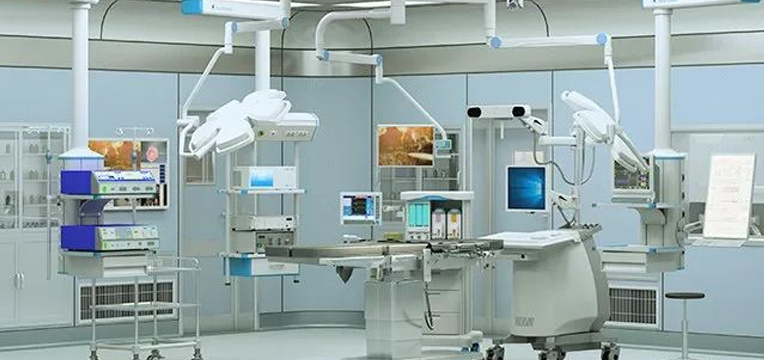
Aerospace and Defense、Medical Devices、Automotive 、Electronics and Semiconductor 、Elastomers、etc

【Why choose Penta Nano】
Reliable
Recipe-based automation ensures reproducible coatings to meet stringent quality standards
Low Maintenance
Precision engineering and robust materials minimize the need for frequent downtime or repairs.
High Quality
Penta’s equipment is CE certified to meet EU safety, health and environmental protection requirements.
Previous
Parylene Vacuum CVD Coating Equipments
Application Area


FAQ


Blog

Knowledge
2026-10-12
Protecting Your Investments: The Advantages of Nano Waterproof Coating
Protecting Your Investments: The Advantages of Nano Waterproof Coating Table of Contents 1. What is Nano Waterproof Coating? 2. How Do Nano Coatings Work? 3. Benefits of Nano Waterproof Coatings 3.1 Durability and Longevity 3.2 Environmental Resistance 3.3 Ease of Application 3.4 Eco-Friendliness
Lern more
Knowledge
2026-10-08
Understanding Vacuum Electroplating: A Key Process in Industrial Coatings
Vacuum electroplating, also known as vacuum deposition or physical vapor deposition (PVD), is a specialized method used to apply thin films of metal onto a substrate in a vacuum environment. This technology is highly valued in the industrial equipment and components sector, particularly in painting and plating applications. The process begins by heating metal in a vacuum chamber, which causes the
Lern more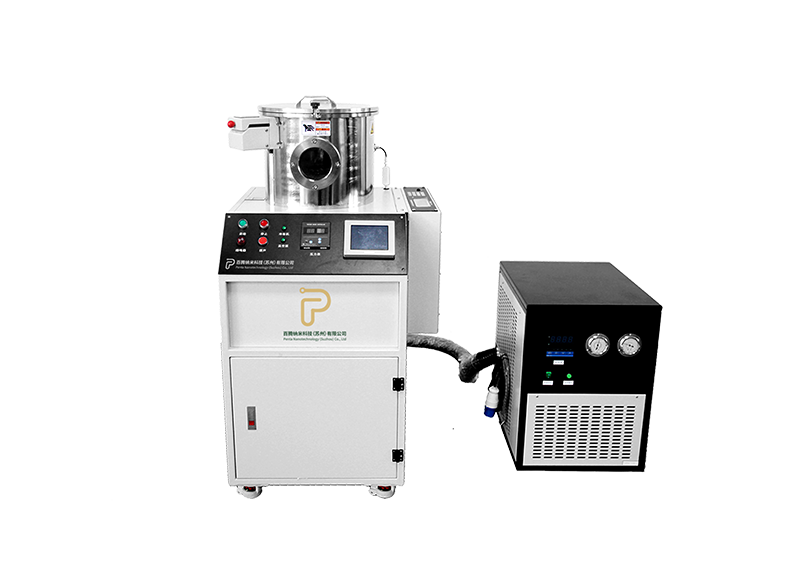
Knowledge
2026-10-04
PVD Coating Machine Innovations: Discover the Cutting-Edge Advancements Transforming the Industry
PVD Coating Machine Innovations: What’s New in the Industry? Introduction to PVD Coating Technology Physical Vapor Deposition (PVD) is a sophisticated process utilized for depositing thin films onto various substrates, primarily in the manufacturing and engineering sectors. The significance of PVD coating machines has surged in recent years due to their ability to enhance product performance while
Lern moreSubscribe to Newsletter
Tel:+86 18550828641
General Manager:+86 18550828641


