
Products

Film Thickness Gauge
Classification:
CVD Vacuum Equipment
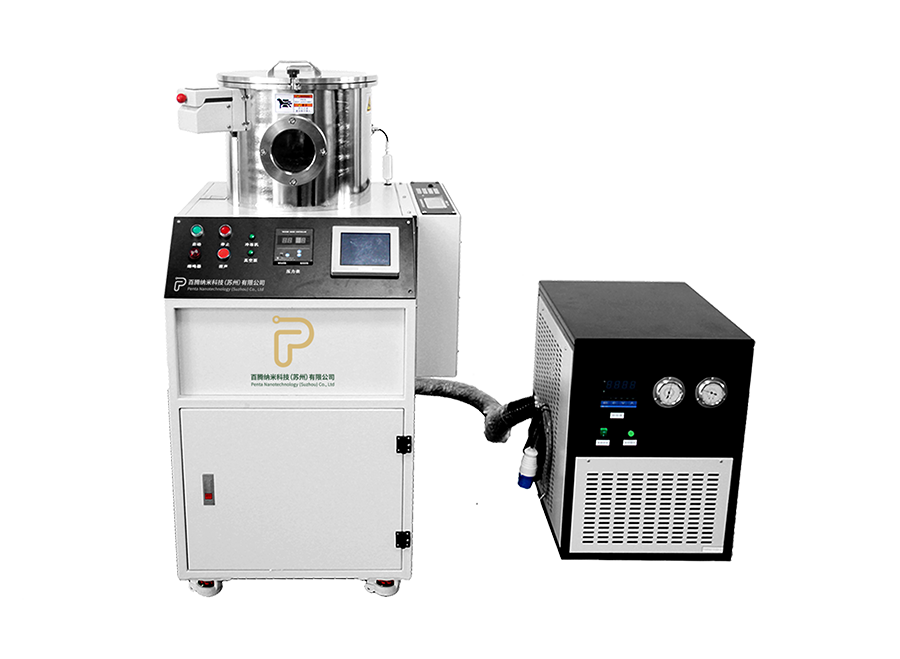
CVD vacuum equipment is specialized machinery used in advanced material processing to deposit thin films and coatings on substrates under controlled vacuum conditions. The equipment provides precise vacuum control, uniform temperature distribution, and stable gas flow, ensuring high-quality and consistent film deposition. It is widely used in industries such as semiconductor manufacturing, solar cells, optical coatings, aerospace, and advanced electronics.
Product Description
CVD vacuum equipment is specialized machinery used in advanced material processing to deposit thin films and coatings on substrates under controlled vacuum conditions. The equipment provides precise vacuum control, uniform temperature distribution, and stable gas flow, ensuring high-quality and consistent film deposition. It is widely used in industries such as semiconductor manufacturing, solar cells, optical coatings, aerospace, and advanced electronics.
The system typically includes a vacuum chamber, gas delivery system, heating elements, and control units. High vacuum levels minimize contamination and allow chemical reactions to occur efficiently on the substrate surface. Advanced monitoring and control systems ensure accurate process parameters, reproducibility, and high throughput. CVD vacuum equipment can handle various materials including metals, ceramics, and polymers, offering versatility for research and production applications.
Designed for durability and precision, CVD vacuum equipment supports complex deposition processes such as PECVD, LPCVD, and MOCVD, enabling the fabrication of high-performance coatings with excellent adhesion, uniformity, and material properties. Its reliability and efficiency make it essential for modern high-tech manufacturing.
Previous
Previous
QTB (Cleaning Furnance)
Application Area


FAQ


Blog
Knowledge
2026-10-16
Exploring the Benefits of Solvent-Free Waterproof Coatings in Modern Applications
Solvent-free waterproof coatings are gaining traction in various industries due to their eco-friendly nature and superior performance. Unlike traditional coatings that contain solvents, these innovative formulations rely on water or other non-toxic substances as carriers, making them safer for both users and the environment. This shift towards solvent-free options aligns with global sustainability
Lern more
Knowledge
2026-10-12
Protecting Your Investments: The Advantages of Nano Waterproof Coating
Protecting Your Investments: The Advantages of Nano Waterproof Coating Table of Contents 1. What is Nano Waterproof Coating? 2. How Do Nano Coatings Work? 3. Benefits of Nano Waterproof Coatings 3.1 Durability and Longevity 3.2 Environmental Resistance 3.3 Ease of Application 3.4 Eco-Friendliness
Lern more
Knowledge
2026-10-08
Understanding Vacuum Electroplating: A Key Process in Industrial Coatings
Vacuum electroplating, also known as vacuum deposition or physical vapor deposition (PVD), is a specialized method used to apply thin films of metal onto a substrate in a vacuum environment. This technology is highly valued in the industrial equipment and components sector, particularly in painting and plating applications. The process begins by heating metal in a vacuum chamber, which causes the
Lern moreSubscribe to Newsletter
Tel:+86 18550828641
General Manager:+86 18550828641


