
Products

Xenon Difluoride (XeF2) Etching Machine
Classification:
CVD Vacuum Equipment
In the ever-evolving landscape of manufacturing and materials science, the Parylene Coating Machine has emerged as a game-changing technology. This advanced equipment is designed to deposit ultra-thin, conformal parylene coatings on a wide range of substrates, offering unparalleled protection and performance enhancements. How It Works
Product Description
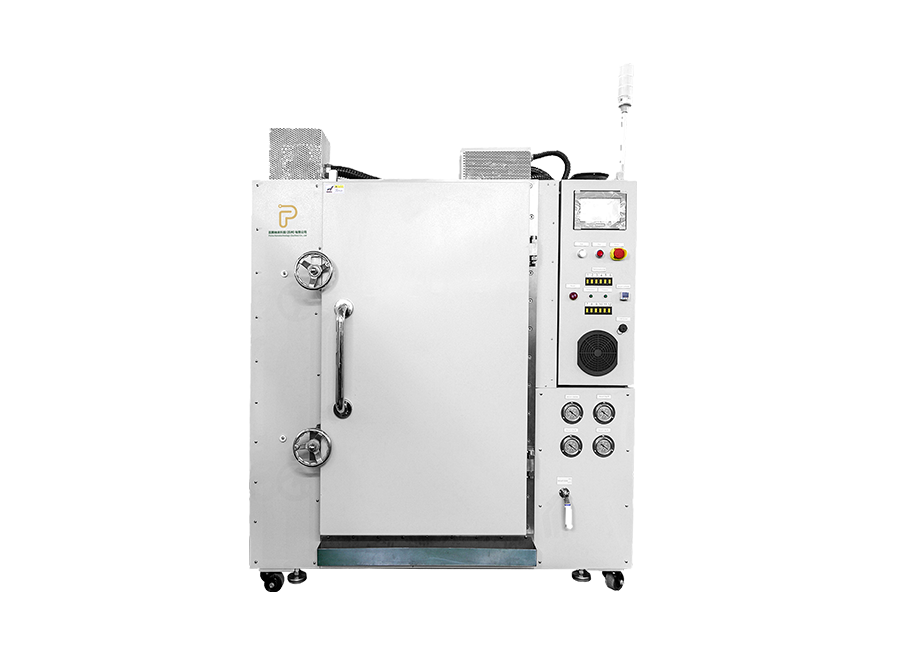
In the ever-evolving landscape of manufacturing and materials science, the Parylene Coating Machine has emerged as a game-changing technology. This advanced equipment is designed to deposit ultra-thin, conformal parylene coatings on a wide range of substrates, offering unparalleled protection and performance enhancements.
How It Works
The Parylene Coating Machine operates based on Chemical Vapor Deposition (CVD) technology. Parylene dimer, a solid material, is first vaporized in an evaporator oven. The vapor then enters a pyrolysis furnace, where it is cracked into monomeric units. These highly reactive monomers are then introduced into a deposition chamber, where they polymerize on the surface of the substrate placed inside. The entire process occurs under vacuum conditions, ensuring a uniform and pinhole-free coating.
Key Advantages
Exceptional Protection
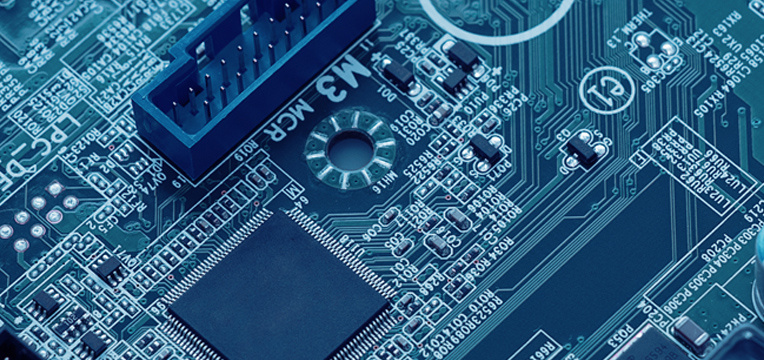
Parylene coatings provide outstanding protection against moisture, chemicals, and corrosion. They act as a barrier, preventing environmental factors from reaching the substrate and causing damage. For example, in the electronics industry, printed circuit boards (PCBs) coated with parylene can withstand harsh environments, reducing the risk of short circuits and component failures.
Conformal Coating
One of the unique features of parylene coatings is their ability to conform to the most complex shapes and geometries. Whether it's a tiny MEMS device or a large, irregularly shaped component, the parylene coating will coat every nook and cranny evenly. This ensures that all surfaces are protected equally, regardless of their shape.
Biocompatibility
In the medical field, biocompatibility is of utmost importance. Parylene coatings are biocompatible (USP Class VI), making them suitable for use in medical devices such as catheters, electrodes, and implantable components. The coating not only protects the device but also provides a non-toxic and non-irritant surface in contact with the body.
Precise Thickness Control
The Parylene Coating Machine allows for precise control over the thickness of the coating, ranging from as thin as 100 nm to up to 40 µm. This precision is crucial in applications where the performance of the coated device depends on the exact thickness of the coating, such as in optical devices or microelectronics.
Applications
Electronics
PCBs, sensors, actuators, LEDs, and other electronic components benefit greatly from parylene coatings. The coating protects against moisture, which can cause corrosion and electrical failures. In addition, it provides dielectric insulation, improving the performance and reliability of electronic circuits.
Medical Devices
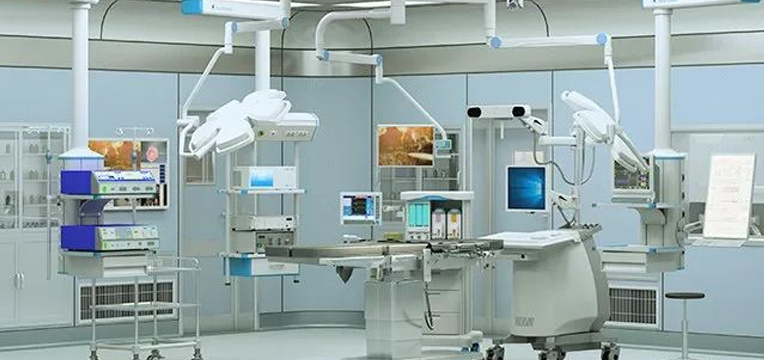
As mentioned, parylene-coated medical devices are used in various applications, including cardiovascular stents, cardiac monitoring systems, and intragastric balloons. The biocompatibility and chemical stability of parylene make it an ideal choice for devices that come into contact with the human body.
Previous
Previous
Vacuum Pressure Test Kit
Application Area

FAQ


Blog
Knowledge
2026-11-14
Advancements in Coating Technologies: The Rise of Atomic Layer Deposition in Manufacturing
Advancements in Coating Technologies: The Rise of Atomic Layer Deposition in Manufacturing Table of Contents Introduction to Coating Technologies in Manufacturing What is Atomic Layer Deposition (ALD)? Key Benefits of ALD in Manufacturing Applications of ALD in Various Industries Comparing ALD with Other Coating Technologies Challenges and Solutions in ALD Implementation
Lern more
Knowledge
2026-11-10
Understanding Conformal Coating Machines: Essential Insights for Manufacturing Professionals
In the realm of post-processing machinery, conformal coating machines are essential for ensuring the longevity and performance of electronic components. A conformal coating machine applies a protective layer over electronic circuits, safeguarding them against environmental factors such as moisture, dust, and chemicals. This process is vital in industries where electronic reliability is paramount,
Lern more
Knowledge
2026-10-20
Waterproof Membrane Coating: Essential for Concrete Protection
Waterproof Membrane Coating: Essential for Concrete Protection Concrete is a widely utilized material in construction due to its strength and versatility. However, one of its significant weaknesses is its susceptibility to water damage. To combat this issue, **waterproof membrane coatings** have gained popularity as a reliable solution for protecting concrete structures. In this comprehensive guid
Lern moreSubscribe to Newsletter
Tel:+86 18550828641
General Manager:+86 18550828641


